That Storage Unit Was Supposed to Be Temporary. Why Are You Still Paying for It?
Storage unit rent adds up fast. A South Florida guide to deciding what to keep, what to remove, and how to close a storage unit without paying for another year.
Jump to section
- The Monthly Payment Does Not Feel Like Much, Until You Add It Up
- The Storage Unit Already Did Its Job
- Why Storage Units Are So Easy to Avoid
- Ask Yourself One Honest Question
- Selling Everything Is Not Always the Money-Saving Option
- Compare the Cost of Clearing It With the Cost of Keeping It
- What to Expect If You Hire Help
- Before Closing the Account
- Do Not Pay for Another Year Just to Avoid One Difficult Day
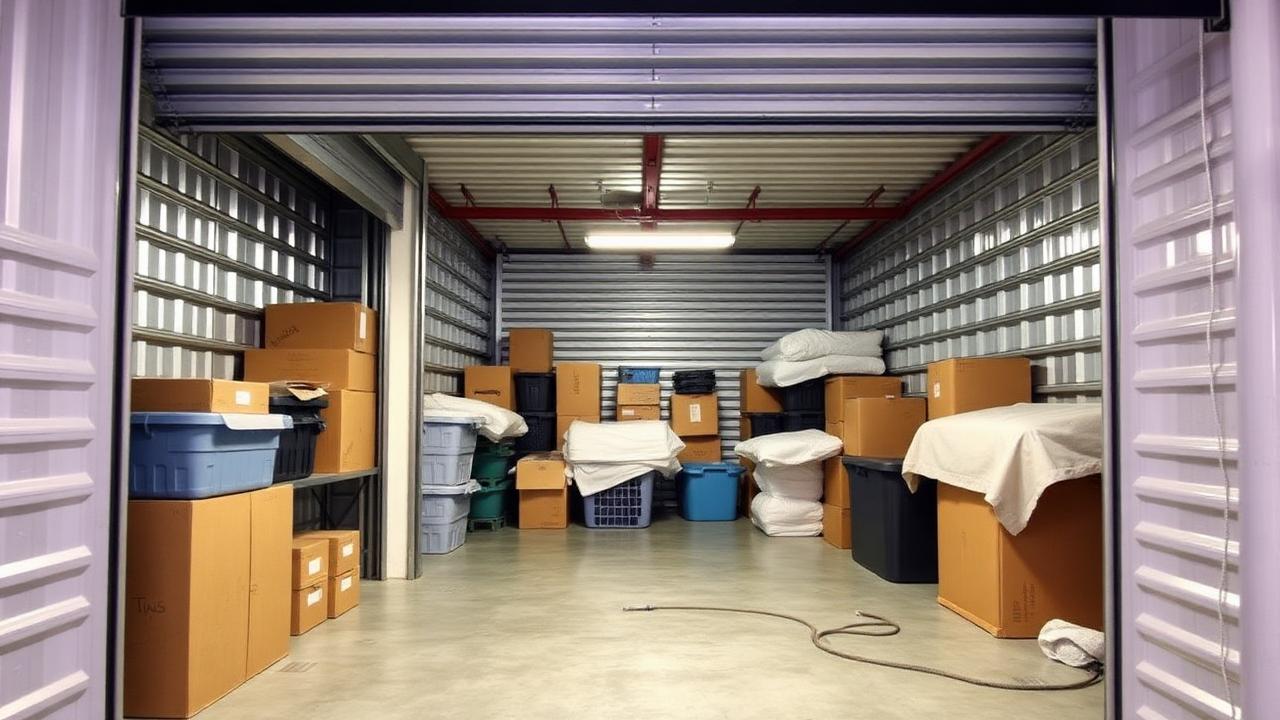
At the time, renting a storage unit probably made sense. Maybe you were moving, downsizing, renovating, handling an estate, or simply needed more time to decide what to keep.
The unit gave you breathing room. Everything was safely out of the house, and the immediate problem was solved.
Then "temporary" quietly turned into a year, or several years.
Now the belongings are out of sight, rarely used, and still costing you money every month.
The Monthly Payment Does Not Feel Like Much, Until You Add It Up
A storage bill can be easy to ignore because it is usually charged automatically. Paying a few hundred dollars each month may feel more manageable than dealing with everything inside the unit.
But over time, the cost adds up quickly:
- $150 per month is $1,800 per year
- $200 per month is $2,400 per year
- $250 per month is $3,000 per year
- $300 per month is $3,600 per year
That does not include possible price increases, insurance, late fees, locks, transportation, or the time spent visiting and managing the unit.
After several years, you may have paid more to store the belongings than the belongings are worth.
The Storage Unit Already Did Its Job
Renting the unit was not necessarily a mistake.
It may have helped you through a move, protected important belongings during a renovation, or prevented you from making rushed decisions during a difficult transition.
The problem is not that you rented it. The problem is continuing to pay for it long after it stopped serving a useful purpose.
A storage unit can be a helpful temporary tool. It becomes a burden when it turns into a permanent monthly obligation without a clear reason.
Why Storage Units Are So Easy to Avoid
Once everything is behind a locked door, there is no daily reminder to deal with it.
You do not see the boxes when you walk through the house. The furniture is not blocking the garage. The clutter is no longer taking up space in your living room.
But the bill keeps arriving.
Many people avoid opening the unit because they expect the process to be exhausting. They imagine spending an entire weekend sorting through dusty boxes, lifting furniture, finding a truck, making donation runs, and figuring out where everything can legally be disposed of.
So another payment comes out. Then another. Before long, another year has passed.
Ask Yourself One Honest Question
If you emptied the unit today, how much of its contents would you intentionally bring back into your home?
There may be meaningful items worth keeping. There may also be furniture you no longer have room for, old household goods, outdated electronics, clothing no one wears, and boxes that have not been opened since the day they were placed in storage.
A helpful sorting method is to divide everything into four groups.
Keep. Items you actively use, genuinely need, or would intentionally make room for at home.
Give to family or friends. Belongings someone has clearly agreed to take, not items you hope they might want someday.
Donate or sell. Items in usable condition that realistically have enough value to justify the time and effort involved.
Remove. Broken, outdated, unwanted, damaged, or low-value items that are keeping the unit, and the monthly bill, alive.
You do not have to make every decision perfectly. You only need to make enough decisions to stop paying for space you no longer need.
Selling Everything Is Not Always the Money-Saving Option
It is natural to look around a storage unit and think, "There must be money in here."
Sometimes there is. A few items may be worth listing or offering directly to someone who can use them.
But selling an entire storage unit one piece at a time can take weeks or months. During that time, you are still paying rent.
A dresser that might sell for $75 is not helping much if it takes two months to sell while the unit costs $200 per month.
Before listing an item, consider:
- What is it realistically worth?
- How quickly is it likely to sell?
- Will someone pick it up?
- How much time will the process require?
- How much additional storage rent will you pay while waiting?
Sometimes the most financially sensible decision is not squeezing every possible dollar out of the contents. It is ending the recurring expense.
Compare the Cost of Clearing It With the Cost of Keeping It
Emptying a storage unit may require a truck, several donation or disposal trips, help with heavy furniture, or a professional cleanout service.
That can make the cleanout feel like an additional expense. However, it is worth comparing the one-time cost of clearing the unit with the cost of another six months or year of storage payments.
For example, a $200 monthly unit costs $2,400 per year. Even if clearing it requires some upfront expense, closing the account may still save money over time.
The goal is not simply to get rid of things. It is to stop paying for a space that is no longer helping you.
What to Expect If You Hire Help
Some people can empty a storage unit themselves with enough time, transportation, and assistance. Others may need help because of heavy furniture, limited access, time constraints, physical limitations, or the amount of material involved.
A professional storage-unit cleanout may include:
- Removing furniture, boxes, household goods, appliances, and miscellaneous items
- Carrying belongings through hallways, elevators, and loading areas
- Loading and hauling everything selected for removal
- Separating obvious donation or recycling items when practical
- Properly disposing of the remaining contents
- Sweeping the unit so it is ready for inspection
You should remain in control of what stays and what goes. Before hiring anyone, ask how the estimate is calculated, what is included, whether disposal fees are built into the price, and what happens to usable items.
Photos or a short walkthrough video can often help a cleanout company understand the amount of material and the access conditions before providing an estimate.
Before Closing the Account
Once the unit is empty, take a few final steps:
- Sweep the floor and remove all loose debris
- Take photos showing that the unit is empty
- Check the facility's move-out requirements
- Return any keys, locks, or access materials that belong to the facility
- Confirm in writing that the rental agreement has been ended
- Check your next bank or credit-card statement for additional charges
Do not assume the account closes automatically just because the unit is empty. Every facility has its own move-out process.
Do Not Pay for Another Year Just to Avoid One Difficult Day
A storage unit may contain more than furniture and boxes. It may represent an old home, a family transition, a move that never felt complete, or decisions you were not ready to make at the time.
That is understandable.
But keeping everything indefinitely does not always preserve the past. Sometimes it simply keeps you financially tied to it.
You rented the unit because you needed time. Now it may be time to finish what you started.
Fresh Start Junk Removal & Hauling helps homeowners and families with storage-unit cleanouts throughout Palm Beach County and surrounding South Florida communities. For information or an estimate, call or text (561) 313-6181.