
Moving a Parent Into Assisted Living: What to Keep, What to Let Go, and How to Make It Easier
A compassionate guide for South Florida families helping a parent move into assisted living. How to decide what to keep, involve your parent in the process, and clear the home with dignity.
Jump to section
Moving a parent into assisted living is rarely just a move.
There are medical decisions, financial questions, family conversations, and a lot of emotions happening at the same time. Then you walk into a home filled with decades of furniture, clothing, photographs, paperwork, and belongings your parent may not be ready to let go of.
Even when everyone agrees that the move is necessary, it can still feel like a major loss of independence.
The goal is not to empty the house as quickly as possible. The goal is to help your parent move into the next stage of life with dignity, comfort, and as much control as possible.
Here is how to make the process more manageable.
Start With the New Living Space
Before sorting through the old home, learn exactly what the assisted living apartment can hold.
Ask for a floor plan and take measurements. Find out what furniture is already provided, what items are permitted, and whether there are restrictions on appliances, rugs, wall decorations, or storage.
Most assisted living apartments are much smaller than the homes residents are leaving. Knowing how much space is available makes the decisions easier.
Instead of asking, "What should we get rid of?" ask:
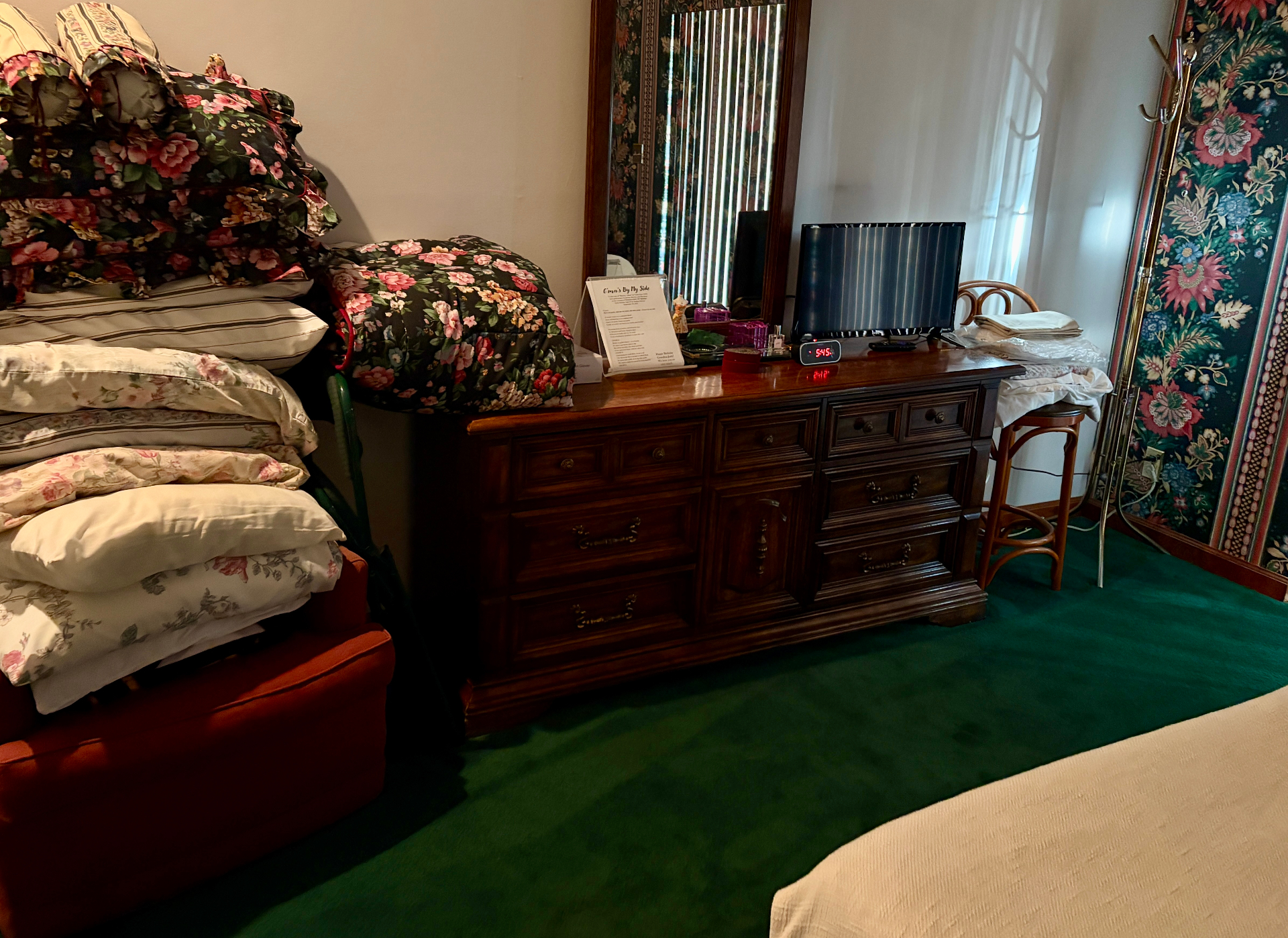
That may include a favorite chair, familiar bedding, family photographs, a small table, meaningful artwork, and a few personal items that are part of your parent's daily routine.
Let Your Parent Make Decisions When Possible
It can be tempting for adult children to take control because there is so much to do. But even small choices can help your parent feel involved.
Ask which chair they want to bring. Let them choose the photographs that go on the wall. Talk about which dishes, books, or decorations matter most.
Some decisions may take longer than you expect. An object that looks ordinary to you may be connected to a memory you have never heard.
You do not have to keep everything, but giving your parent time to explain what matters can make the process feel less like something that is being done to them.
Handle Important Documents First
Before furniture or household items are removed, gather anything related to finances, insurance, medical care, property ownership, military service, taxes, and estate planning.
Look through:
- Desks and filing cabinets
- Nightstands
- Kitchen drawers
- Closets
- Safes and lockboxes
- Old purses and briefcases
- Boxes marked personal or important
Also set aside photographs, jewelry, family records, letters, and anything that may have sentimental or financial value.
Do not assume an old envelope or ordinary looking box is empty. Important documents are often stored in unexpected places.
Give Family Members One Clear Opportunity
Once your parent has selected what is going to the new apartment, decide whether other family members want anything from the home.
Photograph larger furniture, artwork, dishes, collections, and keepsakes. Send the photos in one family message and provide a reasonable deadline.
Anyone who claims an item should also arrange to pick it up.
Without a deadline, the process can drag on for weeks while everyone says they may want something but no one actually takes it.
It is fair to be compassionate while still keeping the move moving forward.
Do Not Bring Too Much to the New Apartment
Families sometimes move extra furniture and boxes into assisted living because they are not ready to make final decisions.
That usually creates a new problem.
The apartment becomes crowded, walking paths become narrow, and staff may have difficulty providing care. Too many boxes can also make the new space feel temporary rather than welcoming.
Bring the things your parent uses, needs, and truly enjoys. Store a limited number of uncertain items somewhere else temporarily when necessary, but try not to turn the new apartment into another storage space.
Decide What Can Be Donated or Recycled
Once the family has taken what it wants, many of the remaining items may still have some useful life.
Furniture, clothing, kitchenware, decorations, and household goods may be accepted by local donation organizations depending on their condition and current needs.
Metal, appliances, and certain electronics may be recyclable.
Donation centers have become more selective, though. They may refuse furniture with stains, odors, damage, missing pieces, or heavy wear. Mattresses and older upholstered furniture can also be difficult to donate.
We always try to find a responsible option, but we will also be honest about what local organizations are likely to accept.
Bring in Help for the Physical Work
Even a small home can contain thousands of pounds of belongings.
Trying to handle everything with family vehicles can mean weeks of lifting furniture, filling trash bags, making donation trips, and driving back and forth to disposal facilities.
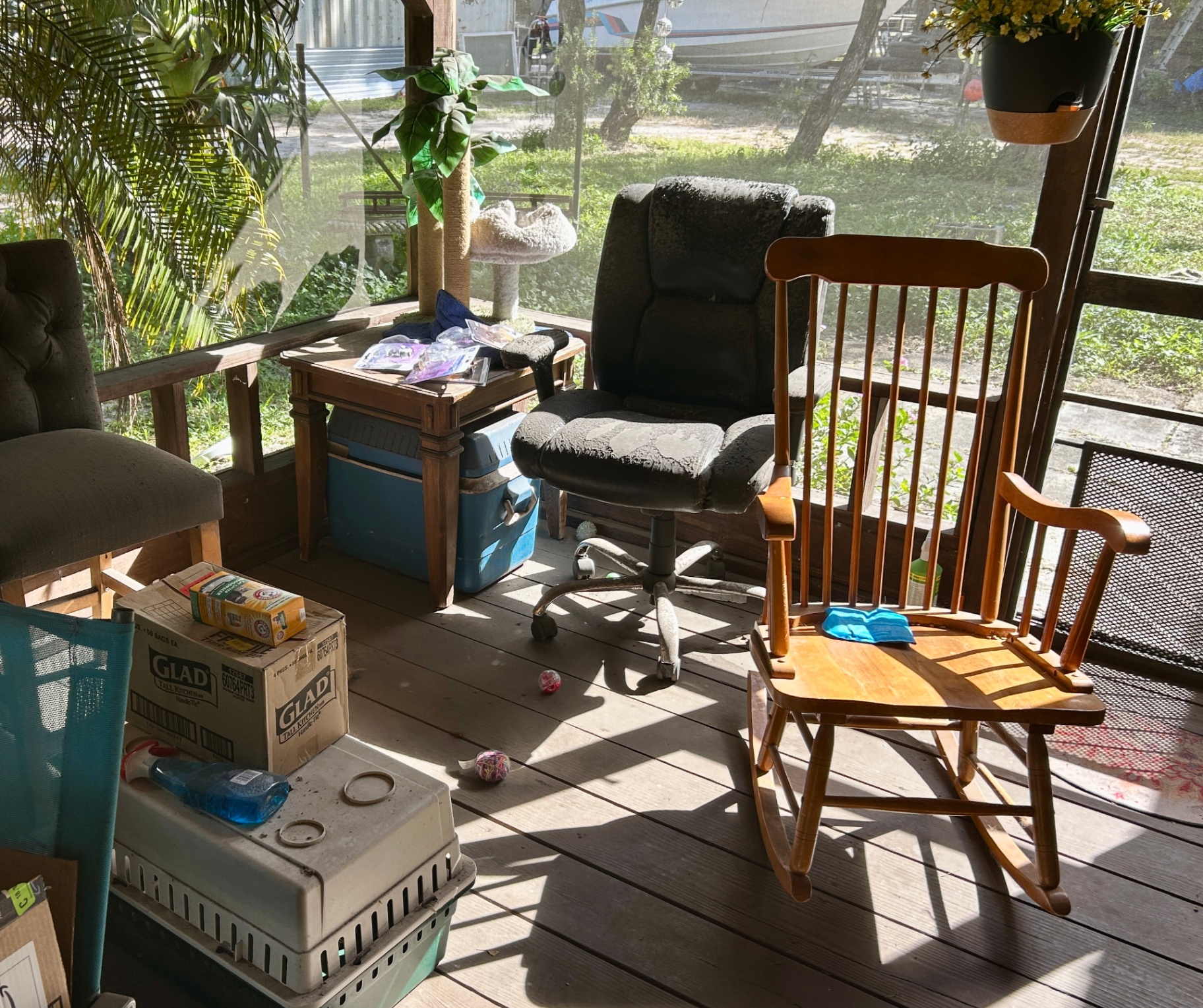
Fresh Start can remove unwanted furniture, appliances, mattresses, boxes, garage contents, patio items, and general household belongings. We can clear one room, part of the home, or everything remaining after the move.
Make the New Apartment Feel Familiar
The work is not finished when the boxes arrive.
Set up the bed. Hang familiar pictures. Put the favorite chair in a comfortable place. Bring the same lamp that sat beside the bed at home. Label drawers if that will make things easier.
Small, familiar details can make a new environment feel much less intimidating.
This transition may never feel easy, but it can feel thoughtful and respectful.
If you are helping a parent move into assisted living in Boca Raton, Delray Beach, Boynton Beach, Wellington, Jupiter, or anywhere in Palm Beach or Broward County, call or text Fresh Start at (561) 313-6181.
We can walk through the property with you, explain your options, and provide a free, no-pressure estimate.